Why the Tastiest Fruit in Your Yard Is Also the Most Popular With Bugs
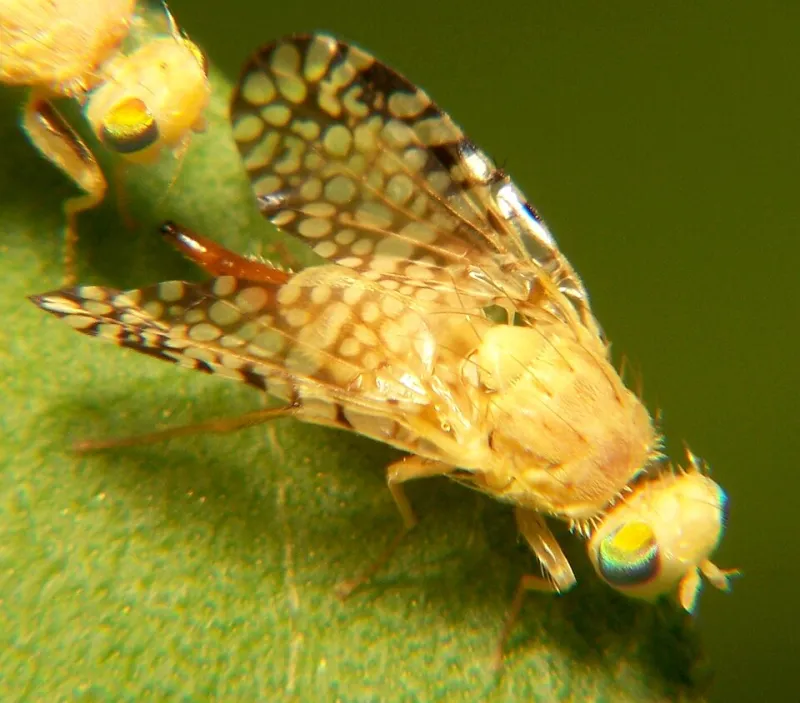
Photo: Bruce Marlin, CC BY-SA 2.5, via Wikimedia Commons
Every summer, the same frustrating scene plays out in backyards across the country. You've spent months tending your trees, the fruit looks gorgeous, and then — almost overnight — the bugs find it first. Meanwhile, the peaches stacked in a pyramid at your local supermarket sit there for days, completely unbothered. What gives?
Here's the uncomfortable truth: your fruit probably tastes better. And that's exactly the problem.
The Sugar Signal That Insects Can't Ignore
Fruit flies, in particular, aren't random in their targeting. They're following volatile organic compounds — the aromatic chemicals that ripe, high-sugar fruit releases as it matures. Esters, alcohols, and aldehydes waft off a truly ripe piece of fruit like a broadcast signal, and insects have evolved over millions of years to tune into that frequency.
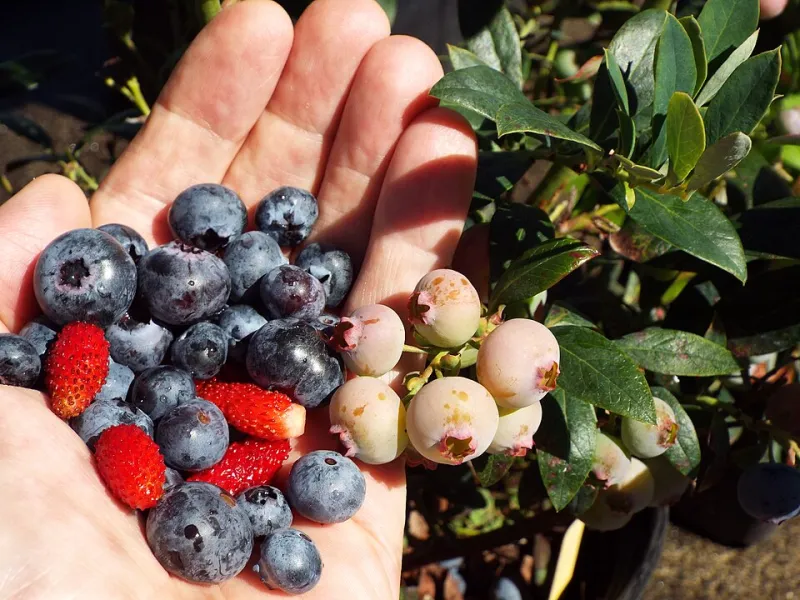
Homegrown fruit, especially heirloom and open-pollinated varieties, tends to accumulate higher levels of these compounds because it's actually allowed to ripen. That's the key difference. Commercial fruit is almost universally harvested before peak ripeness — sometimes weeks before — so it can survive transport, extended cold storage, and the long shelf life that supermarket economics demand. A peach picked at 70% maturity simply doesn't have the same aromatic profile as one left on the tree until it's practically falling into your hand.
In other words, pest pressure is often a quality indicator. Annoying? Absolutely. But worth understanding.
How Commercial Breeding Changed the Equation
Over the past several decades, large-scale fruit breeding programs have prioritized a specific set of traits: firmness, uniform color, disease resistance, and shelf stability. Flavor has historically taken a back seat. This isn't a conspiracy — it's logistics. A strawberry that bruises if you look at it wrong can't survive a 1,500-mile trip in a refrigerated truck.
Many commercial varieties have also been selected, intentionally or not, for reduced aromatic output. Lower volatile production means less insect attraction. It also means less flavor complexity, lower antioxidant concentrations in some cases, and a fruit that looks picture-perfect but tastes like a damp sponge.
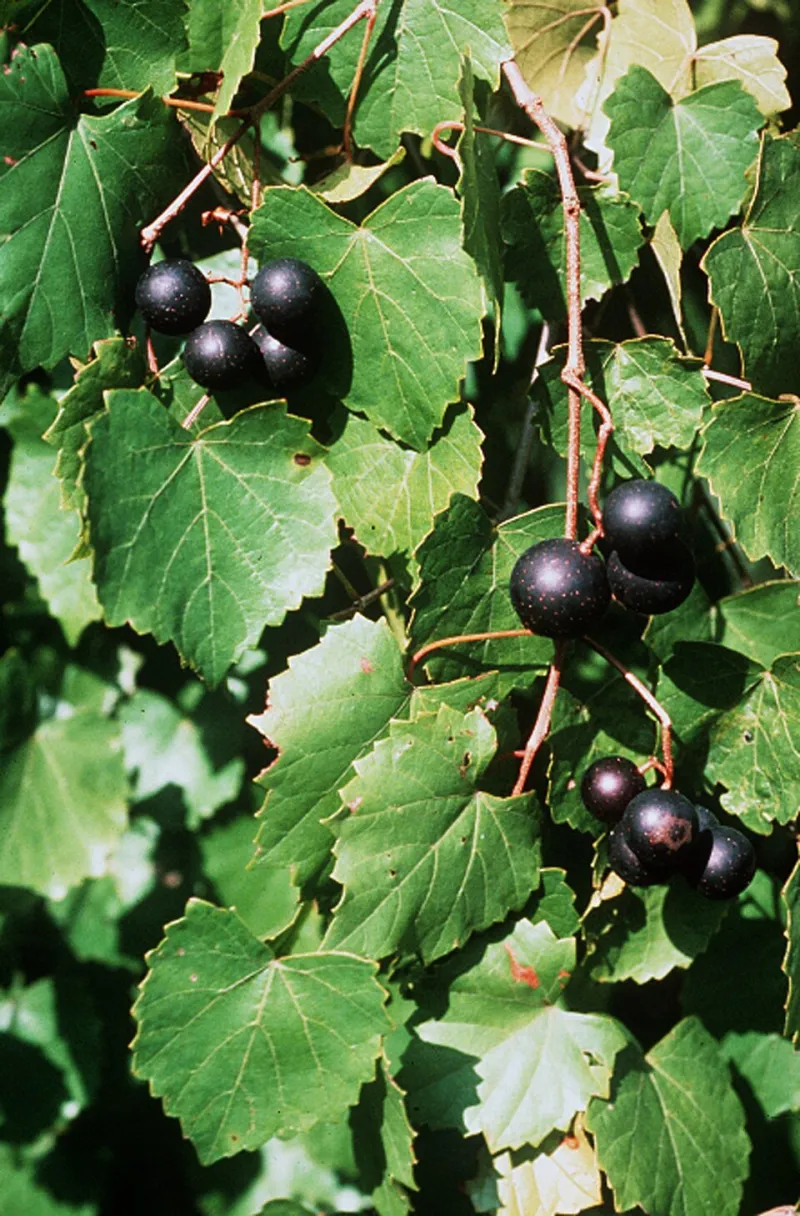
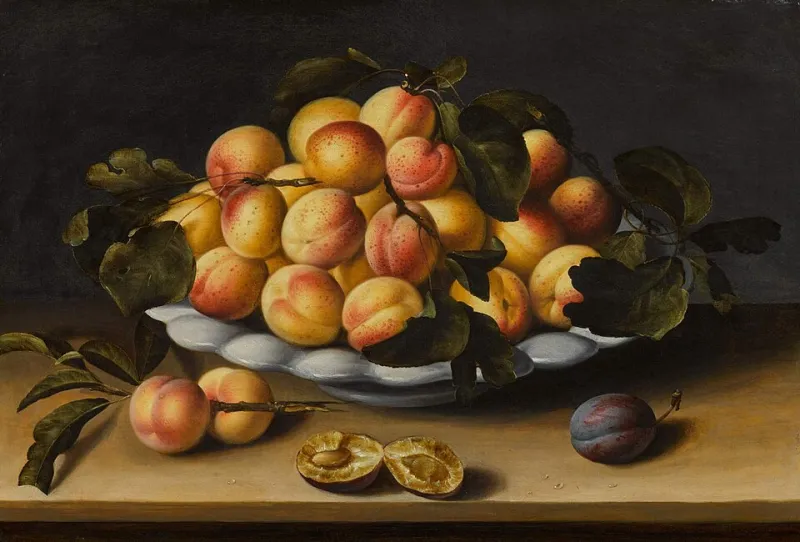
Heirloom apple varieties, old-school plums, and heritage peach cultivars were bred in an era when flavor was the whole point. They weren't designed for a supply chain. They were designed for someone to eat them off the tree in August and remember it for the rest of their life. That legacy comes with trade-offs, and one of them is that every insect in your zip code knows exactly when those fruits are ready.
Integrated Pest Management Without Torching the Flavor
So what's a home grower supposed to do? The answer isn't to reach for broad-spectrum pesticides — many of which can disrupt the very soil biology that supports fruit quality in the first place (and can leave residues on fruit you're growing specifically to eat fresh). Instead, Integrated Pest Management, or IPM, gives you a toolkit that works with your garden's biology rather than against it.
Kaolin clay is one of the most underrated tools in the home orchard. Applied as a spray, it coats fruit surfaces with a fine mineral film that physically deters insects without any toxic chemistry. It washes off before eating and has zero impact on flavor development. For stone fruits especially, it's worth every bit of the effort.
Exclusion netting is even more straightforward. Fine mesh netting draped over individual trees or clusters of fruit creates a physical barrier that no amount of aromatic signaling can overcome. Yes, it takes some setup. Yes, it's worth it.
Trapping and monitoring with apple cider vinegar traps or commercially available lure-based traps won't eliminate your pest population, but they'll give you a real-time read on pressure levels and help you time interventions more precisely. Acting before populations peak is almost always more effective than reacting after they already have.
Harvest timing matters more than most people realize. Fruit that's allowed to sit on the tree past its peak ripeness window becomes exponentially more attractive to pests. Learning to harvest at optimal ripeness — not overripeness — reduces exposure while still capturing the nutritional and flavor peak you're growing for.
The Nutrition Trade-Off You Should Know About
There's another layer to this conversation that often gets overlooked: the same ripeness that attracts insects is also associated with higher concentrations of certain beneficial compounds. Polyphenols, carotenoids, and vitamin C levels in many fruits peak at or near full ripeness. The fruit that bugs want most is also, in many cases, the most nutritious version of that fruit.
Commercial produce picked early and ripened artificially — sometimes with ethylene gas — doesn't always reach the same phytochemical peaks. The color might look right, the texture might be acceptable, but the internal chemistry tells a different story.
This doesn't mean you should let your fruit rot in the name of nutrition. It means the window you're managing toward — ripe but not overripe, harvested at the right moment — is the same window that delivers the best eating quality and the highest nutritional return on your growing investment.
Pests as Feedback, Not Failure
Shifting your mindset around pest pressure is genuinely useful. When fruit flies descend on your harvest, they're not a sign that you've done something wrong. They're a sign that you've grown something real — something with the sugar content, the aromatic complexity, and the ripeness that nature's most efficient detectors have confirmed is worth eating.
The goal isn't a pest-free orchard. It's a well-managed one. With the right combination of variety selection, timing, physical barriers, and monitoring, you can protect the majority of your harvest while keeping the flavor and nutrition intact — which is the whole reason you're growing your own fruit in the first place.
Store-bought perfection is an illusion. Your bug-targeted backyard harvest is the real thing.