Peach Season Doesn't Have to End in August: A Grower's Guide to Preserving Stone Fruit Without Wrecking the Nutrition
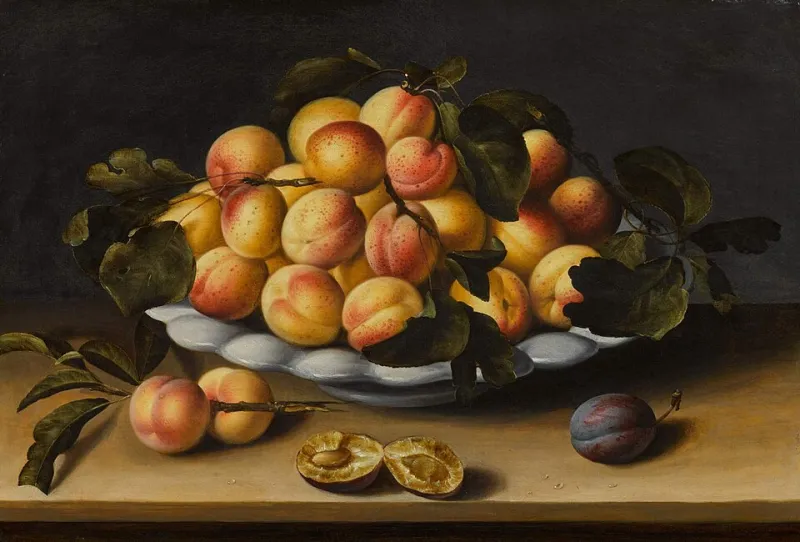
Photo: Louise Moillon, Public domain, via Wikimedia Commons
If you've ever grown peaches, plums, or apricots, you know the particular anxiety of a bumper crop. The fruit comes in fast and all at once, and the window between perfect ripeness and overripe mush is frustratingly narrow. Every grower — whether you're managing a backyard tree or a five-acre operation — eventually has to answer the same question: how do I hold onto this harvest without losing what makes it worth growing?
That question is more nuanced than it used to be. Beyond just flavor and texture, more farmers and home producers are thinking seriously about nutritional retention. Stone fruits are genuinely valuable from a health standpoint — rich in beta-carotene, vitamin C, potassium, polyphenols, and dietary fiber — and how you preserve them determines how much of that value survives into winter.
Let's walk through the four main preservation routes and look honestly at what the food science says about each one.
Fresh Eating: The Gold Standard With a Short Shelf Life
No preservation method beats eating stone fruit at peak ripeness, straight from the tree. This is the obvious starting point, and it's worth stating plainly: if you can eat it fresh, do that first.
A fully ripe peach or apricot at harvest contains the highest concentration of vitamin C, active enzymes, and intact polyphenolic antioxidants it will ever have. These compounds begin degrading almost immediately after harvest — vitamin C is particularly sensitive to both heat and oxygen exposure. Even under ideal refrigeration, a ripe peach will lose a meaningful percentage of its ascorbic acid within three to five days.
For commercial growers, the fresh window is a logistics problem. For home producers, it's an opportunity. Eating fresh from your own trees means you're getting nutrition that the grocery store supply chain simply can't replicate.
The bottom line on fresh: Maximum nutrition, minimum shelf life. Prioritize it, but don't count on it to solve a large harvest.
Freezing: The Underrated Champion
Freezing is arguably the most underappreciated preservation method in American home kitchens, and the food science backs it up strongly. When done correctly, freezing stone fruit retains the vast majority of its nutritional profile — often performing better than canning and sometimes better than refrigerated fresh fruit stored for several days.
The key mechanism is simple: cold temperatures dramatically slow the enzymatic and oxidative reactions that break down vitamins and antioxidants. Research published in food science literature consistently shows that frozen fruits retain 80–90% of their original vitamin C and polyphenol content when properly processed and stored at 0°F or below.
For peaches, plums, and apricots, the process matters. Blanching before freezing (briefly submerging in boiling water, then shocking in ice water) deactivates the enzymes that cause browning and off-flavors during storage. Tossing sliced fruit with a small amount of ascorbic acid — plain vitamin C powder, available at most grocery stores — before freezing also helps preserve color and nutritional integrity.
One practical advantage for growers: freezing is fast and low-equipment. You don't need a pressure canner or specialized knowledge. A chest freezer and a few sheet pans for initial flash-freezing get you most of the way there.
The bottom line on freezing: Strong nutritional retention, excellent for large volumes, and more forgiving than canning. This should probably be your default preservation method for most stone fruit.
Canning: The American Tradition With Trade-Offs
There's something deeply satisfying about a shelf lined with jars of home-canned peaches. It's an American agricultural tradition with real roots, and for long-term shelf-stable storage, it's hard to beat the convenience.
But honesty matters here: canning is the most nutritionally aggressive of the common preservation methods. The heat required to safely process fruit — particularly for low-acid stone fruits that require pressure canning or careful acidification for water bath methods — degrades heat-sensitive nutrients significantly. Vitamin C losses in home-canned fruit typically range from 25% to 50% compared to fresh, and some B vitamins take a similar hit.
That said, fat-soluble compounds like beta-carotene (which gives peaches and apricots their orange color) are considerably more heat-stable and survive the canning process reasonably well. Minerals like potassium are also largely retained.
For home canners, a few practices can minimize nutritional losses: processing for the minimum safe time rather than erring toward longer, using the hot-pack method to reduce the temperature swing during processing, and storing finished jars in a cool, dark location to slow ongoing degradation.
Food safety is non-negotiable in canning. Stone fruits sit in a borderline pH range, and adding lemon juice or citric acid isn't just a flavor choice — it's a safety measure that ensures the acidity needed to prevent bacterial growth in a water bath canner. When in doubt, follow USDA-tested recipes from the National Center for Home Food Preservation.
The bottom line on canning: Longest shelf life of any method, good for pantry diversity, but accepts the largest nutritional trade-off. Best suited for fruit you want available two or three years from now.
Fermentation: The Wild Card With Real Potential
Fermented stone fruit is having a moment, and for good reason. Lacto-fermented plums, peach chutney made with active cultures, and apricot-based shrubs (drinking vinegars) are showing up at farmers markets and in food-forward kitchens across the country — and the nutritional case for them is more interesting than most people realize.
Fermentation doesn't preserve the original vitamin content the way freezing does. Vitamin C, in particular, is largely consumed during the fermentation process. What fermentation adds, however, is a different kind of nutritional value: live probiotic cultures, increased bioavailability of certain minerals, and novel bioactive compounds produced by the fermenting microorganisms.
Research into fermented fruits is still catching up to the fermented vegetable literature, but early findings suggest that lactic acid fermentation can increase the antioxidant activity of certain polyphenols in stone fruits — essentially making the plant compounds more accessible to the body after digestion.
For home producers, fermentation is also a low-energy, low-equipment option for a portion of the harvest. A simple salt brine, a mason jar with an airlock lid, and a few days at room temperature is all it takes to get started with lacto-fermented plums.
The trade-off is that fermented fruit has a distinctive flavor profile that not everyone loves right away, and the shelf life — while longer than fresh — is shorter than frozen or canned without refrigeration.
The bottom line on fermentation: A nutritionally interesting option that trades original vitamin content for probiotic and bioavailability benefits. Worth exploring for a portion of your harvest, especially if gut health is a priority.
Building a Smart Preservation Strategy
The smartest approach to a stone fruit harvest isn't picking one method and committing to it entirely. Think of preservation as a portfolio decision:
- Eat as much fresh as possible in the first week after harvest.
- Freeze the bulk of your surplus for year-round smoothies, baking, and cooking with strong nutritional retention.
- Can a modest quantity for shelf-stable gifting, long-term storage, and the genuine pleasure of opening a jar of summer in January.
- Experiment with fermentation on a small batch to expand your skills and diversify your pantry's functional value.
Your harvest worked hard to get here. A little preservation knowledge ensures that work carries forward — all the way to your table in February, with as much of the nutrition intact as possible.