From Soil to Superfood: How Growing Your Own Strawberries Unlocks Nutrition You Can't Buy at the Grocery Store
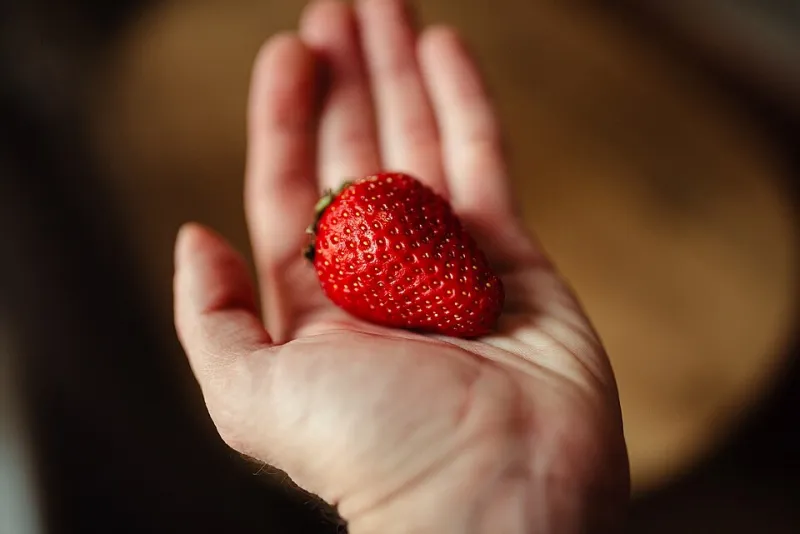
Photo: Shixart1985, CC BY 2.0, via Wikimedia Commons
Pick a strawberry straight off the plant on a warm June morning, and you already know something is different. The color goes all the way through. The smell hits you before the berry even reaches your mouth. And the flavor? There's no comparison to what's sitting in a plastic clamshell under fluorescent lights at the grocery store.
But beyond taste and texture, there's a nutritional story unfolding in that moment — one backed by decades of food science and agricultural research. Homegrown strawberries, when cultivated with intention, can deliver significantly higher levels of vitamin C, folate, anthocyanins, and key minerals than their commercially grown counterparts. Understanding why that gap exists puts you in the driver's seat to make it even wider.
The Long Road to Your Grocery Store Shelf
Most fresh strawberries sold in American supermarkets are grown in California or Florida, then shipped across the country under refrigeration. That journey typically takes anywhere from three to seven days after harvest — and harvest itself happens well before peak ripeness to survive the trip.
This is where the nutritional trade-off begins. A strawberry picked at 75% ripeness to withstand shipping is a fundamentally different food than one picked at full maturity. USDA Agricultural Research Service studies have documented that many antioxidants and vitamins — particularly vitamin C and the polyphenolic compounds that give strawberries their deep red color — accumulate most aggressively in the final days of ripening on the plant. Cut that window short and you're leaving nutrition behind in the field.
Commercial operations also prioritize yield and shelf life above micronutrient density. Varieties selected for large berry size, uniform appearance, and disease resistance often sacrifice some of the phytochemical richness found in older, smaller-fruited types. It's not a conspiracy — it's an economic reality. But it does mean the grocery store strawberry was never optimized for your health.
What the Numbers Actually Show
Comparative analyses of fruit nutrient density — including data published through USDA databases and peer-reviewed journals like the Journal of Agricultural and Food Chemistry — consistently find that vine-ripened, locally harvested fruits contain higher concentrations of ascorbic acid (vitamin C), ellagic acid, quercetin, and anthocyanins than produce harvested early for transport.
One widely cited study found that strawberries allowed to fully ripen on the plant contained up to 40% more vitamin C than those picked early and ripened off the plant. Anthocyanin levels — the compounds linked to anti-inflammatory benefits and cardiovascular health — showed similar patterns, increasing sharply in the final stage of natural ripening.
For home gardeners and small-scale farmers, this is genuinely exciting information. You're not just growing food. You're growing more nutritious food, and you have direct control over the variables that determine the outcome.
Soil Health Is the Foundation
Here's where it gets really interesting for anyone who spends time thinking about what's happening underground. The micronutrient content of your strawberries is inextricably tied to the mineral and biological profile of your soil.
Strawberries are heavy feeders that respond dramatically to soil conditions. Boron, manganese, iron, and zinc — all essential for fruit quality and human nutrition — must be bioavailable in the root zone for the plant to incorporate them into the fruit. Compacted, depleted soils with low organic matter and poor microbial activity simply can't deliver these minerals efficiently, no matter how much synthetic fertilizer you apply.
Building soil biology is the long game here. Mycorrhizal fungi form symbiotic relationships with strawberry roots and dramatically expand the plant's ability to access phosphorus and micronutrients from the surrounding soil matrix. Compost applications increase cation exchange capacity, which is essentially your soil's ability to hold and release mineral nutrients. Cover cropping between strawberry rows adds organic matter and can reduce the leaching of key minerals.
A simple soil test — available through your county extension service for a modest fee — is one of the most valuable investments a strawberry grower can make. Knowing your pH, your organic matter percentage, and your existing mineral levels tells you exactly where to focus your energy.
Timing Your Harvest for Maximum Payoff
Even perfect soil can be undermined by harvesting too early. For home growers, the temptation to pick at first blush is real — especially if you've got birds or slugs competing for your berries. But training yourself to wait for full color development pays off in every measurable way.
A fully ripe strawberry should be uniformly deep red to the tip, slightly soft to gentle pressure, and separating easily from the stem. At that stage, the plant has finished its work. The sugars are balanced, the acids have mellowed, and the antioxidant compounds have peaked.
Harvesting in the morning, after the dew has dried but before the heat of the day builds, also preserves more volatile aromatic compounds and slows post-harvest enzymatic breakdown. Eat them the same day if you can — vitamin C in particular degrades quickly after harvest, even under refrigeration.
Practical Moves to Widen the Nutrition Gap
If you want to actively push your homegrown strawberries toward the high end of the nutritional spectrum, here are some evidence-backed strategies worth putting into practice:
Choose the right varieties. Older and wild-type varieties like Earliglow, Alexandria, and many day-neutral types tend to have smaller berries with higher phytochemical concentrations per gram. If nutrition is your priority, don't chase the biggest berry.
Feed your soil biology, not just your plants. Compost teas, worm castings, and minimal soil disturbance all support the microbial networks that make nutrients available to your plants.
Manage water carefully near harvest. Excess irrigation in the week before harvest can dilute sugar and nutrient concentrations in the fruit. Backing off on watering slightly as berries approach ripeness tends to concentrate flavor and nutrition.
Let sunlight do its job. Anthocyanin production is driven partly by light exposure. Make sure your plants aren't shaded by overgrown foliage, and consider reflective mulches in lower-light gardens to bounce more light onto developing fruit.
Pick at peak — every time. Don't leave overripe berries on the plant, but don't rush the harvest either. Consistent, timely picking keeps the plant productive and ensures you're always getting fruit at its nutritional best.
The Bigger Picture
There's something quietly radical about growing your own strawberries with this level of intention. You're opting out of a supply chain that was never designed with your nutrition in mind, and you're replacing it with something that is. Every soil amendment you make, every harvest you time correctly, and every variety you choose thoughtfully is a decision that compounds over time — in your soil's health and in the quality of what ends up on your table.
The micronutrient gap between homegrown and store-bought isn't a marketing claim. It's a measurable outcome of cultivation choices. And now that you understand the mechanism, closing that gap — or widening it in your favor — is entirely within reach.