Where Did All the Bees Go? The Native Pollinator Crisis Quietly Killing Your Fruit Harvest
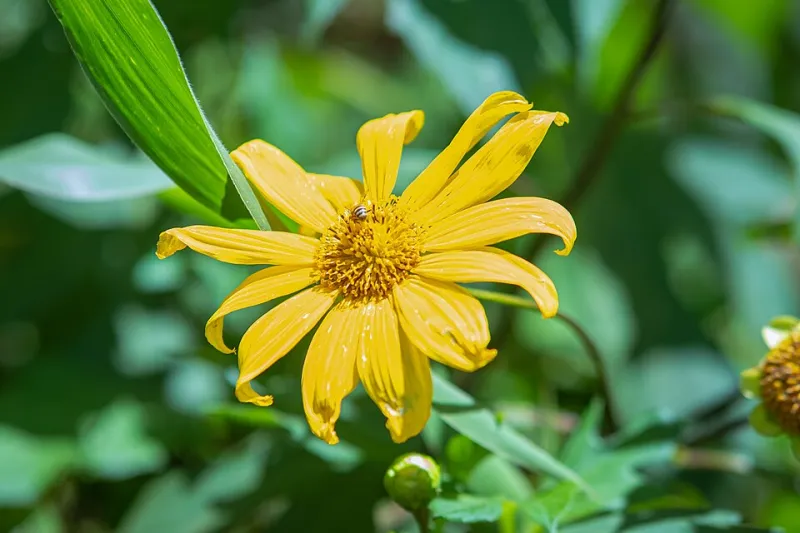
Photo: Sidoine Mbogni, CC BY-SA 4.0, via Wikimedia Commons
There's a particular kind of frustration that hits when your apple tree explodes in blossoms every spring and then produces maybe a third of the fruit it should. You water it. You prune it. You feed the soil. And still, the harvest comes up short. If this sounds familiar, the problem might not be anything you're doing — it might be what's not showing up to do the work.
Native bees are disappearing from American backyards and orchards at a rate that should genuinely alarm anyone who grows fruit. We're not just talking about honeybees here. The US is home to over 4,000 native bee species — mason bees, bumble bees, sweat bees, leafcutter bees — and many of them are far more efficient pollinators for fruit trees than the European honeybee we tend to think of first. Lose them, and your orchard pays the price in a very direct, very measurable way.
So what's going wrong, and how do you fix it?
The Real Culprits Behind the Decline
Let's skip past the vague explanations and get specific, because understanding the actual causes is the only way to address them effectively.
Neonicotinoids are a major piece of this puzzle. These systemic pesticides — sold under brand names like Imidacloprid, Clothianidin, and Thiamethoxam — are absorbed into every part of a treated plant, including pollen and nectar. A bee doesn't have to be directly sprayed to be affected. Sublethal exposure disrupts navigation and memory, which means bees exposed to these compounds can struggle to find their way back to nesting sites. For solitary native bees that don't have a hive to return to, this is often fatal. Check the active ingredients on any pesticide you're using in or near your orchard. If you see any of those names, you've likely found part of the problem.
Monoculture planting is another underappreciated driver. A backyard with only fruit trees — especially if they all bloom within the same two-week window — provides a short burst of resources followed by a long stretch of nothing. Native bees, particularly solitary species, need a continuous food source from early spring through late fall. When your orchard is the only game in town and the blooms are done, bees simply relocate to somewhere that can sustain them. They're not being disloyal; they're surviving.
Habitat loss is the third leg of this problem. Native bees nest in the ground (about 70% of species), in hollow stems, in wood cavities, and in leaf litter. Manicured lawns, synthetic mulch, and obsessively tidy garden beds eliminate all of these options. If there's nowhere to nest within reasonable foraging distance of your fruit trees, you won't have pollinators — regardless of how many flowers you're offering.
What a Pollinator-Friendly Orchard Actually Looks Like
The good news is that native bees are remarkably resilient when given half a chance. You don't need to rewild your entire property to make a meaningful difference. What you need is a more intentional approach to what you plant, how you manage pests, and how much bare ground and structural diversity you leave in place.
Build a Blooming Sequence, Not Just a Bloom
The goal is to have something flowering from the moment bees emerge in late winter through the first frost. In most parts of the US, that means thinking about three distinct windows:
- Early spring (February–April): Willows, red maples, and native cherries are lifesavers for early-emerging queen bumble bees. Even a single willow shrub near your orchard can make a measurable difference.
- Mid-season (May–July): This is when most fruit trees peak, so your work here is filling the gaps around them. Native phacelia, borage, and white clover planted as groundcover between trees give bees a reason to stay in your orchard rather than range further out.
- Late season (August–October): Goldenrod and native asters are perhaps the most important plants you're probably not growing. They're critical fuel sources for bees building reserves before winter, and they're genuinely easy to establish in most US climates.
Rethink Your Pest Management Timing
You don't necessarily have to stop using pesticides entirely — but when you apply them matters enormously. Most fruit tree pest pressure hits before or after peak bloom. If you can shift your spray schedule to avoid the window when your trees are actively flowering (and when bees are most actively foraging, which is roughly 10am–4pm on warm days), you dramatically reduce the harm to your pollinator population.
When you do need to treat, look for options with shorter residual activity. Spinosad, for example, is far less toxic to bees once it dries than neonicotinoids are at any stage. Kaolin clay barriers and insecticidal soaps are also worth exploring for pest management that doesn't linger in your blossoms.
Create Nesting Habitat on Purpose
This part costs almost nothing. Leave a section of your orchard floor with exposed, bare or lightly mulched soil — about a foot of undisturbed ground is enough to give ground-nesting species somewhere to work with. Leave hollow or pithy stems from plants like elderberry, sunflower, or joe-pye weed standing through winter rather than cutting them back in fall; many native bees overwinter inside them.
Installed bee houses can supplement natural habitat, but they work best when they're species-appropriate. Mason bee houses with tubes in the 5/16-inch diameter range are well-matched to the orchard mason bee (Osmia lignaria), which happens to be one of the most effective apple and cherry pollinators in North America. Place them facing east or southeast, mounted at roughly eye level, and within about 300 feet of your fruit trees.
The Patience Part
Here's the honest truth: rebuilding a native bee community takes time. These aren't animals you can just purchase and release (and you shouldn't try — introducing commercially raised bees into an area without understanding local populations can do more harm than good). What you're doing when you plant native flowers and leave nesting habitat is making your property the kind of place local bee populations want to expand into. That process typically takes two to three seasons to show meaningful results in your fruit set.
But growers who go through this process consistently report the same thing: once native pollinators reestablish, fruit production improves in ways that feel almost disproportionate to the effort involved. That's not magic — it's ecology working the way it's supposed to.
A Few Native Plants Worth Adding Near Your Fruit Trees
If you're not sure where to start on the planting side, these species are widely available at native plant nurseries across the US and have strong track records for supporting orchard pollinators:
- Wild bergamot (Monarda fistulosa) — blooms mid-summer, loved by bumble bees
- Purple coneflower (Echinacea purpurea) — reliable and drought-tolerant once established
- Anise hyssop (Agastache foeniculum) — exceptional bee magnet, edible, easy to grow
- Native sunflowers (Helianthus spp.) — late-season pollen source and stem nesting habitat
- Serviceberry (Amelanchier spp.) — edible fruit AND early bloom that feeds emerging spring bees
Your fruit trees want to produce. Native bees want to forage. The gap between what's happening and what could be happening in your orchard is mostly a habitat problem — and habitat is something growers can genuinely influence. Start with one corner of your property, add a few native plants, ease up on the pesticide timing, and leave some of the mess that bees actually need. The bees will notice before you do.