Stop Trusting the Calendar: How Phenology Can Save Your Fruit Harvest in a Warming World
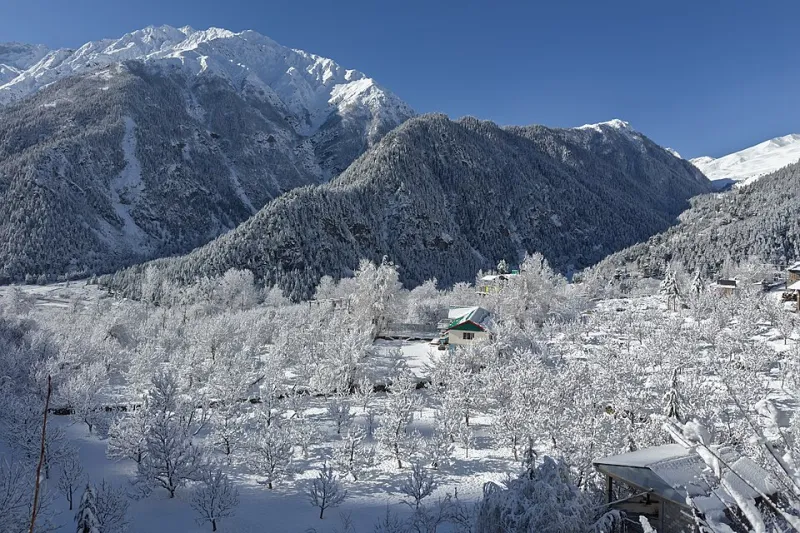
Photo: UnpetitproleX, CC BY-SA 4.0, via Wikimedia Commons
Somewhere in a lot of American garages, there's a well-worn copy of the Farmer's Almanac with dog-eared pages and pencil notes in the margins. For generations, that book was gospel — plant your peaches after the last frost date, watch for the forsythia to bloom, count back from the full moon. And for a long time, it worked.
But lately? Growers across the country are noticing something's off. Late frosts are hitting after trees have already flowered. Apples are ripening two or three weeks earlier than expected. Stone fruits are setting buds in January in places that used to see hard freezes well into February. The calendar hasn't changed, but the climate sure has.
The science behind all of this has a name: phenology. And if you're serious about growing fruit, it might be the most important word you learn this season.
What Phenology Actually Means (and Why It Matters)
Phenology is the study of cyclic and seasonal natural phenomena — specifically how living things respond to environmental cues like temperature, daylight length, and precipitation. For fruit trees and berry plants, phenology governs almost everything: when buds break, when flowers open, when fruit sets, and when harvest windows peak.
Plants don't read calendars. They read the world around them. A peach tree doesn't know it's March 15th — it knows it's accumulated a certain number of warm hours after a certain number of cold ones. That biological accounting system is called chill hours and growing degree days, and it's the actual engine running your orchard.
Chill hours are the number of hours a tree spends at temperatures between roughly 32°F and 45°F during dormancy. Most fruit varieties need a specific chill hour threshold to break dormancy correctly in spring. Growing degree days (GDDs), on the other hand, measure accumulated warmth above a base temperature threshold after dormancy ends — essentially tracking how much energy the plant has gathered to push through flowering and fruiting.
Here's the problem: climate change is messing with both sides of that equation simultaneously.
The Double Disruption Hitting American Orchards
Winters across most of the US are getting shorter and warmer. In USDA hardiness zones 6 through 9 — which covers a huge swath of the country from the Mid-Atlantic down through the Deep South and across to the Pacific Coast — growers are logging significantly fewer chill hours than they were just 30 years ago.
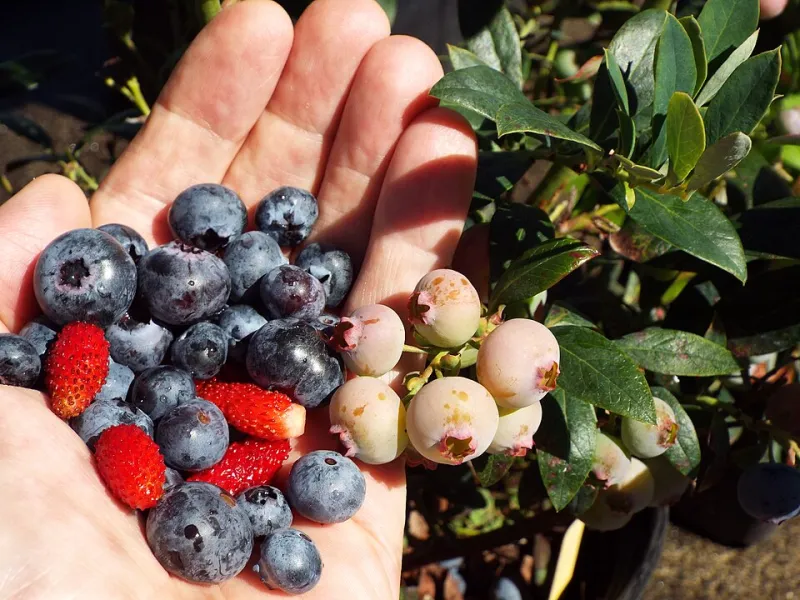
For low-chill varieties, that might not be a crisis. But for classic American favorites like Honeycrisp apples, Bing cherries, or Reliance peaches — varieties that need 800 to 1,000+ chill hours — insufficient winter cold means erratic or failed bloom set, poor fruit development, and inconsistent yields year after year.
At the same time, spring warm-ups are arriving faster and earlier. Trees that do manage to meet their chill hour requirements are then getting hit with rapid GDD accumulation, pushing them to flower weeks ahead of historical norms. That sounds like a good thing until a late-season cold snap — which is also becoming more common in many regions due to disrupted polar vortex patterns — blasts those open blossoms and wipes out the year's crop in a single night.
It's a squeeze from both ends, and the fixed dates printed in any almanac simply can't account for it.
Reading Your Landscape Instead of the Page
So what do you do? You start paying attention to your landscape the way your fruit trees do.
Phenological indicators — sometimes called indicator plants — are species whose bloom or leaf-out timing closely tracks the same environmental conditions that trigger key events in your fruit trees. Gardeners and farmers have used these intuitively for centuries, but now there's solid research backing up the correlations.
A few reliable ones for US growers:
- Forsythia blooming generally signals that soil temperatures are consistently above 50°F — a useful marker for early-season pest and disease activity in orchards.
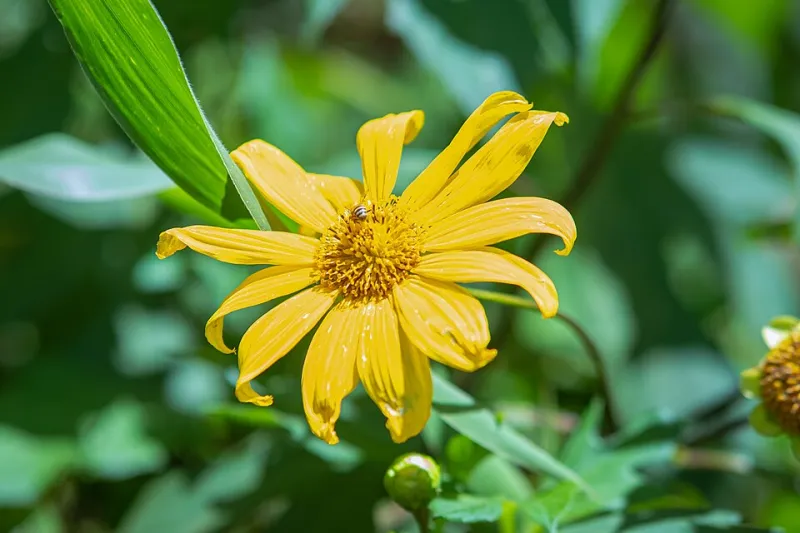
- Dandelion full bloom often coincides with the start of apple and pear bloom windows in many temperate zones.
- Lilac first leaf is closely correlated with the optimal timing for dormant oil sprays on stone fruits.
- Redbud flowering in the Southeast and Midwest is a traditional signal that peach bloom is imminent.
Rather than planting or spraying based on a fixed date, you use these living markers to guide your timing. It's not folklore — it's applied ecology.
Building Your Own Phenology Tracking System
Here's where things get practical. You don't need a PhD or fancy equipment to start building a phenology-based approach to your orchard. What you need is a notebook (or a spreadsheet), a min/max thermometer, and a commitment to observation over a few seasons.
Track your chill hours. Starting in November, log daily low temperatures. Use a free online chill hour calculator — several university extension programs, including UC Davis and Cornell Cooperative Extension, offer tools tailored to different US regions — to tally your accumulation through winter. Compare that to your variety's known requirements.
Monitor growing degree days in spring. Many state agricultural weather networks (like Iowa Environmental Mesonet or the Florida Automated Weather Network) provide real-time GDD data by zip code. Knowing where you are in GDD accumulation helps you anticipate bloom timing weeks in advance rather than being caught off guard.
Keep a bloom journal. Record the first date each year that you see bud swell, first open flower, petal fall, and fruit set for each variety you grow. After three to five years, you'll have your own hyperlocal dataset that's far more valuable than any regional average.
Note your indicator plants. Add a column for when the forsythia blooms, when the dandelions pop, when the lilacs leaf out. Over time, you'll see the correlations specific to your microclimate emerge.
Rethinking Variety Selection for a Shifting Climate
Phenology tracking also informs smarter variety choices going forward. If your region is consistently coming up 200 to 300 chill hours short of what your current apple or cherry varieties need, no amount of observation will fix that mismatch — you need different trees.
Breeding programs at universities like Washington State, Cornell, and UC Riverside have been developing lower-chill varieties that still deliver quality fruit for regions seeing warmer winters. Varieties like TropicBeauty peach, Anna apple, and Minnie Royal cherry are designed for reduced chill environments without sacrificing too much on flavor or yield.
For growers in traditionally colder zones who are seeing more volatile spring weather, it's worth looking at late-blooming varieties that delay flowering naturally, reducing frost vulnerability. Goldrush apple and Montmorency cherry both tend to bloom later than average, giving them a buffer against those cruel April cold snaps.
Growing Smarter Means Growing Observant
There's something genuinely satisfying about shifting from a calendar-dependent mindset to a landscape-responsive one. It makes you a more attentive grower. You start noticing things — the way a warm February week makes your plum tree stir, the way a late cold snap settles into that low corner of your property while the hillside stays clear.
The almanac was never really about the dates anyway. It was about encouraging farmers to pay close attention to the world around them. Phenology just gives that instinct a scientific framework and the vocabulary to act on it precisely.
Your fruit trees are already reading the signals. It's time you started reading them too.