Same Tree, Different Taste: The Real Reasons Your Fruit Flavor Changes Year to Year
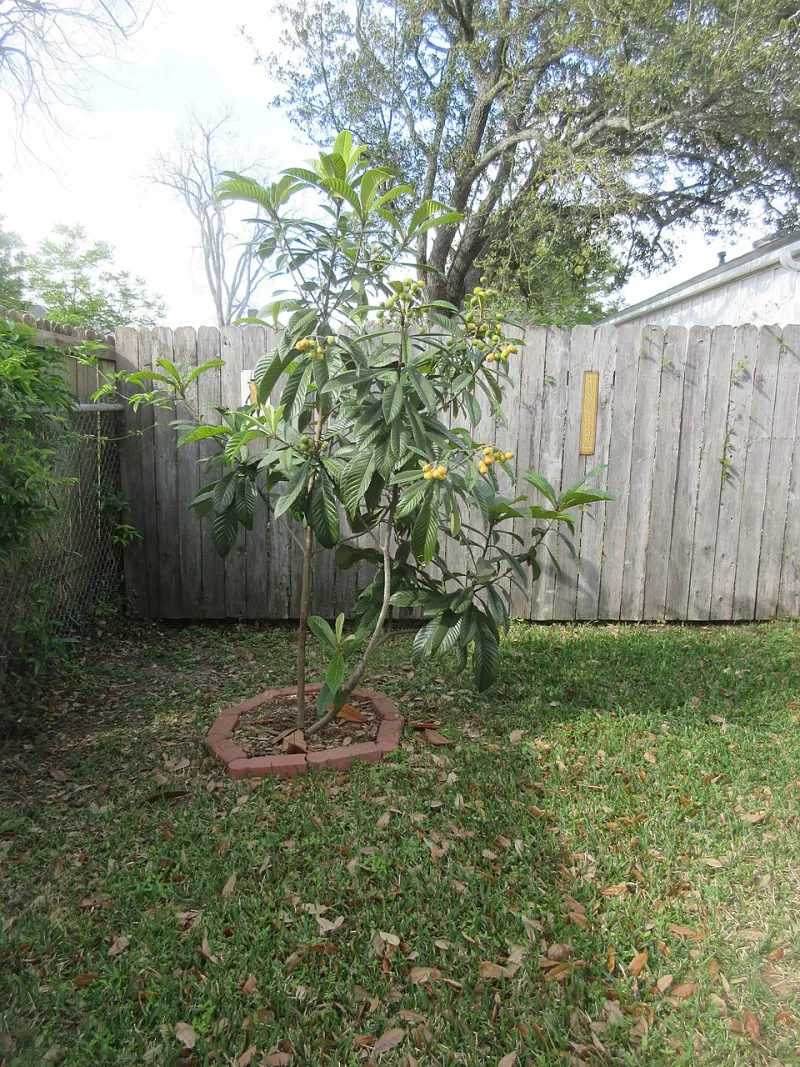
Photo: Infrogmation of New Orleans, CC BY 2.0, via Wikimedia Commons
You bit into a peach from your backyard tree three summers ago and it was the kind of fruit that makes you question why you ever bought anything from a grocery store. Last summer? Watery. Bland. Barely worth picking. Same tree. Same yard. Same you.
So what happened?
A lot of home growers shrug and chalk it up to nature being unpredictable. But that explanation sells your orchard short. Fruit flavor isn't random — it's a biological response to a stack of variables, most of which you actually have some influence over. Once you understand what's driving those swings, inconsistency starts to look a lot more manageable.
The Sugar-Acid Balance Is Everything
Before diving into causes, it helps to understand what "flavor" actually means in fruit science. What your palate experiences as complexity, richness, or dullness is largely the ratio of sugars to organic acids — primarily malic and citric acid in most backyard fruits. High sugar with low acid tastes flat and cloying. High acid with low sugar tastes harsh. The sweet spot is a dynamic balance between the two, and that balance shifts based on what the plant experienced during the growing season.
This ratio isn't locked in by genetics alone. A Honeycrisp apple grown in Minnesota and the same variety grown in Georgia can taste meaningfully different, and even the same tree in your backyard can produce fruit with a noticeably different sugar-acid profile depending on the year. That's your first clue that environmental conditions are running the show.
Weather Does More Than You Think
The biggest driver of year-to-year flavor variation is weather — specifically the pattern of heat, cold, sunlight, and rainfall across the entire growing season, not just at harvest time.
Sugars in fruit are built through photosynthesis. More sunlight hours during the fruit development window means more sugar production, full stop. A cloudy summer in the Pacific Northwest or an overcast August in the Mid-Atlantic can quietly rob your fruit of sweetness before it ever hits the bowl.
Temperature swings matter too, especially at night. Cool nights slow the plant's respiration rate, which means sugars that get produced during the day aren't burned off as quickly. This is why fruit grown at higher elevations or in regions with significant day-night temperature swings — think the high desert of New Mexico or the foothills of the Appalachians — often tastes more intense. If your summers have been running warmer with less overnight relief, that could explain some of the flatness you've been tasting.
Rainfall timing is another underappreciated factor. A stretch of heavy rain in the two to three weeks before harvest dilutes the concentration of sugars and aromatic compounds in the fruit. It's a simple dilution effect — the fruit swells with water faster than it can build flavor. Growers in the Southeast who deal with late-summer thunderstorm patterns often see this play out in their stone fruit harvests.
Your Soil Isn't Static — And Neither Is Its Chemistry
Here's something a lot of backyard growers don't fully appreciate: soil nutrient availability fluctuates from year to year based on organic matter decomposition rates, microbial activity, pH drift, and what you added (or didn't add) the previous fall.
Potassium is one of the key nutrients tied directly to fruit sweetness and flavor development. When potassium is low, fruit quality drops noticeably — and potassium availability in your soil can shift based on how much organic matter decomposed over winter, whether you had a wet spring that leached nutrients, or whether your soil pH drifted in a direction that locked it out.
Calcium plays a different but equally important role. Low calcium leads to cell wall breakdown issues — think mealy apples or peaches that go soft before they go sweet. If one season you had great texture and the next you didn't, a calcium availability problem might be worth investigating.
The practical takeaway: get a soil test every two to three years, not just when something looks wrong. Flavor problems often show up in your fruit before they show up as visible symptoms on the tree.
Pruning Decisions Echo Into Flavor
This one surprises people. The cuts you made last winter are affecting the flavor of fruit you'll pick this summer.
Over-pruning stimulates vigorous vegetative growth — lots of leafy shoots, lots of canopy. That sounds healthy, but dense canopy shades interior fruit, reducing the sunlight exposure that drives sugar development. It also directs the plant's energy toward growing wood rather than ripening fruit.
Underpruning creates a different problem. Too much fruit on a tree means each individual piece gets fewer resources. This is called crop load management, and it's one of the most direct levers you have over fruit quality. Thinning fruit early in the season — removing the smaller or misshapen fruitlets when they're still marble-sized — concentrates flavor into fewer, better-developed pieces.
If your tree produced a massive crop one year and mediocre fruit the next, you may be dealing with biennial bearing, a pattern where the tree exhausts its reserves with a huge yield and then coasts through a low-production recovery year. Consistent thinning and balanced fertilization can help break that cycle over time.
Building More Consistent Flavor: Practical Steps
You can't control the weather, but you can build a management system that reduces how much weather variability affects your harvest.
Mulch heavily and consistently. A thick layer of organic mulch stabilizes soil moisture, which reduces the dilution effect of heavy rainfall and keeps the tree from experiencing the stress spikes that mess with sugar accumulation.
Test and amend your soil on a schedule. Don't wait for obvious problems. A simple soil test from your local cooperative extension service costs almost nothing and tells you whether your pH, potassium, and calcium levels are where they need to be.
Thin your fruit every single year. Even in years when the crop looks light, thinning encourages the tree to put concentrated energy into fewer fruits. It's one of the highest-return practices a home grower can adopt.
Keep a simple harvest log. Note the date you picked, what the weather pattern was like that summer, what you amended in the soil, and how the fruit tasted. After a few years, patterns start to emerge that tell you what conditions your specific trees respond to best.
Don't over-fertilize with nitrogen. High nitrogen pushes leafy growth and dilutes fruit flavor. If your tree is growing vigorously and producing bland fruit, nitrogen is often the culprit. Back off and see what happens.
The Myth of 'Nature Just Being Inconsistent'
There's a passive fatalism that creeps into backyard growing — the idea that fruit quality is basically a lottery and you're just along for the ride. That framing lets you off the hook, but it also keeps you stuck.
The truth is that professional orchardists work hard to stabilize flavor quality across variable seasons, and they do it through exactly the kind of systematic management described here. You don't need a commercial operation to apply those same principles at a smaller scale.
Your tree remembers what you did to it last year. Your soil carries the history of every amendment and every season. Flavor is the sum of all those inputs, not a random gift from the weather gods. Once you start treating it that way, the good seasons stop feeling like luck — and the bad ones start feeling like problems you can actually solve.