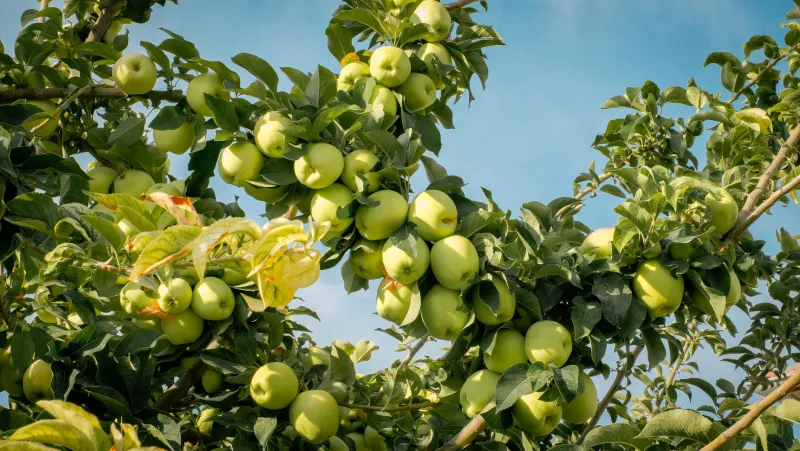
Summer Fruit Picks: What's Worth Growing and Eating Right Now
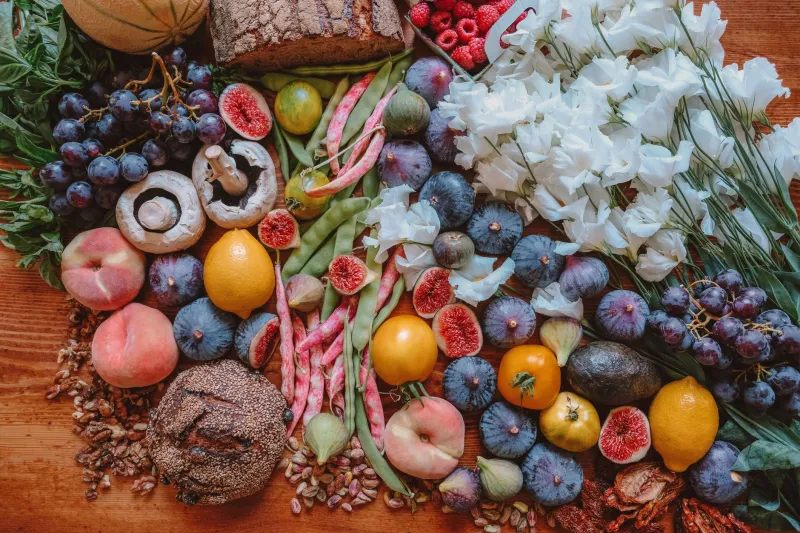
Summer in the US is basically fruit season in full swing. From the Fourth of July through Labor Day, there's an almost overwhelming amount of great produce available — at farmers markets, farm stands, grocery stores, and hopefully right outside your back door. But not all summer fruit is created equal, and knowing what's actually worth your attention (and your garden space) can save you a lot of time and disappointment.
This is your seasonal guide to summer's standout fruits: what's peaking, what's worth planting for next year, and how to make the most of what you've got right now.
What Summer Really Means for Fruit Flavor
Here's something worth understanding before we dive into specifics: summer heat and long days are what drive sugar development in most fruits. The longer a piece of fruit stays on the plant in warm, sunny conditions — up to its natural peak — the more complex its flavor becomes.
That's why a peach or a tomato grown in your backyard and picked ripe often tastes dramatically better than one shipped cross-country. Commercial fruit is typically harvested early to survive transport, which cuts the flavor development process short. When you grow your own, or buy from a local grower who picks at peak, you're getting the real deal.
Peaches: Summer's Crown Jewel
If there's one fruit that defines American summer eating, it's the peach. And for good reason — a properly ripened peach, still warm from the sun, is about as good as fruit gets.
For growers, summer is harvest time depending on your variety and zone. Early varieties like Reliance and Harrow Diamond ripen in late June and July in most of the South and Mid-Atlantic. Mid-season types like Contender peak in August, and late varieties can stretch into September.
What to do right now:
- If you're harvesting, pick when the fruit gives slightly to gentle pressure and the background color has shifted from green to gold or cream
- Don't refrigerate peaches until they're fully ripe — cold kills the texture
- Consider freezing sliced peaches at peak ripeness to extend the season
Blueberries: The Summer Berry That Keeps Giving
Blueberry season typically runs from late May through August across the US, with different regions and varieties staggering the harvest beautifully. If you planted both early and late varieties, you might be picking fresh blueberries for six to eight weeks straight.
Nutritionally, blueberries are one of the most studied fruits on the planet. They're loaded with anthocyanins — the compounds that give them their deep blue color and most of their antioxidant activity. Interestingly, homegrown and locally sourced blueberries tend to have higher anthocyanin concentrations than commercial fruit, partly because they're allowed to fully ripen before picking.
What to do right now:
- Harvest when berries have been fully blue for a few days — that's when sugar content peaks
- Net your bushes early; birds will absolutely beat you to the harvest
- Freeze extras in a single layer on a sheet pan before bagging — this keeps them from clumping
Figs: The Late Summer Surprise
Figs are one of those fruits that surprise people when they grow them for the first time. They don't look like much on the tree, but bite into a fully ripe fig in August and it's almost dessert-sweet, with a honeyed complexity that's unlike anything else.
Most fig varieties produce two crops: a small breba crop in early summer on last year's wood, and the main crop in late summer and early fall. The main crop is usually the bigger and better of the two.
What to do right now:
- Figs are ripe when they hang downward, feel soft, and the skin may start to crack slightly
- They don't ripen off the tree, so pick only when fully ready
- Fresh figs are highly perishable — eat within a day or two, or dry them
Watermelon and Muskmelon: The Cookout Staples
Okay, technically these are fruits (botanically speaking), and they absolutely belong in a summer roundup. Homegrown watermelons and cantaloupes are in a different category from store-bought — the flavor is more intense, the texture is better, and there's something genuinely satisfying about thumping a melon you grew yourself.
For watermelons, the classic ripeness test is the hollow thump — but also check the tendril nearest the fruit. When it dries and turns brown, the melon is usually ready. For cantaloupes, the fruit will slip easily from the vine when ripe and smell intensely sweet at the blossom end.
Grapes: Building Toward the Fall Harvest
If you're growing grapes, late summer is a critical window. Depending on your variety and zone, harvest runs from August through October. Right now, the fruit is sizing up and sugar is starting to build. This is the time to thin clusters if you haven't already (removing some fruit improves quality in what remains), ensure good airflow to prevent fungal issues, and keep an eye on bird pressure.
Table grape varieties like Concord, Reliance, and Suffolk Red are popular with home growers and ripen earlier than most wine types.
Making the Most of Summer's Bounty
Summer fruit season is short. Here's how to make it count:
- Eat fresh first. Peak-ripeness fruit is a seasonal experience — prioritize eating it fresh before preserving.
- Preserve strategically. Freeze, dry, or jam what you can't eat fresh. Flavor preservation is best when you process at peak ripeness, not after.
- Share the surplus. Neighbors, food banks, and community fridges all appreciate fresh fruit donations.
- Take notes. What ripened when? What tasted best? What got hit by pests? These notes are gold for next season's planning.
Summer goes fast. The fruit doesn't wait. Get out there and enjoy it.