Stop Buying Pre-Grafted Trees: How to Build Your Own Rootstock Library from Scratch
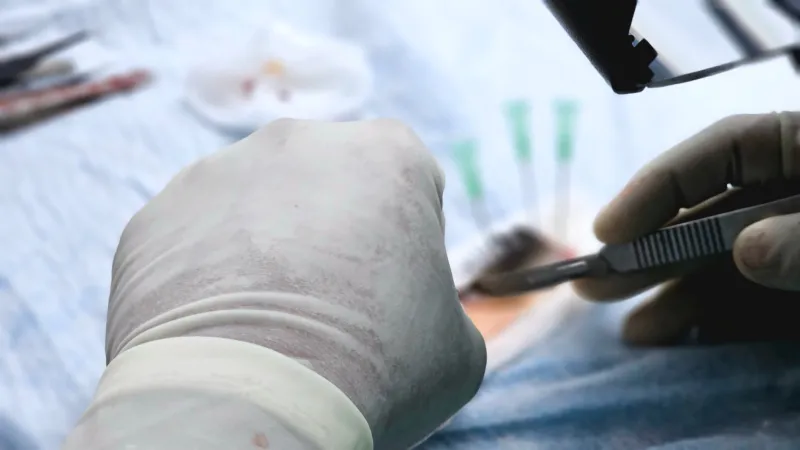
There's a quiet revolution happening in backyards across the country, and it doesn't involve fancy grow lights or expensive soil amendments. It involves a sharp knife, a roll of grafting tape, and the realization that the tree you buy from a nursery is actually two separate plants fused into one — and you can do that fusion yourself.
Grafting is one of those skills that sounds intimidating right up until the moment it clicks. And once it clicks, it fundamentally changes how you think about your orchard. You stop being a consumer of fruit trees and start being a builder of them.
What Grafting Actually Is (And Why It Matters So Much)
Here's the quick version: a grafted tree is made of two distinct parts. The rootstock is the root system and lower trunk — it determines how big the tree gets, how well it handles your specific soil conditions, and how disease-resistant the whole plant will be. The scion is the upper portion — the variety that produces the fruit you actually want to eat.
When you buy a Honeycrisp apple tree from a garden center, you're getting someone else's rootstock choice bundled with someone else's scion selection. That combination might be perfectly fine for average conditions. But your backyard isn't average. Your soil has its own pH quirks, drainage patterns, and microbial personality. Your microclimate might be wetter, drier, more frost-prone, or sunnier than whatever "standard" the nursery optimized for.
When you graft your own trees, you make those decisions yourself. You pick a rootstock that genuinely matches your ground. You pick a scion from a tree that's already proven itself in your region — maybe one that's been growing in your neighbor's yard for forty years, or an heirloom variety you tasted at a farmers market that you've never been able to find for sale.
That's a level of customization you simply cannot buy off a shelf.
The Big Myth: Grafting Is Too Technical for Home Growers
Let's put this one to rest. Grafting does require some practice and patience, but the basic techniques are well within reach for anyone who can follow a recipe and work carefully with their hands. Thousands of home orchardists across the US do it every year in garages, on back porches, and at kitchen tables.
The learning curve is real but short. Your first attempts might not take. That's normal — even experienced grafters don't hit 100% success rates. The key is understanding why a graft works when it works, so you can troubleshoot when it doesn't.
At its core, a successful graft happens when the cambium layers of the rootstock and scion align and fuse. The cambium is that thin green layer just beneath the bark — it's the actively growing tissue in a woody plant. Get those two layers touching, keep them moist, and protect the union from drying out, and the plant does the rest.
Choosing Your Rootstock: The Decision That Shapes Everything
This is where home growers can really gain an edge over off-the-shelf options. Rootstock selection is a genuine science, and the choices are wider than most people realize.
For apple trees, common rootstocks in the US include the Malling series (M.9, M.26, M.7, and others), each producing different tree sizes and suited to different soil types. M.9 is extremely dwarfing and great for small spaces, but it needs well-drained soil and usually requires staking. M.7 produces a semi-dwarf tree with better drought tolerance and works well in heavier soils across the Midwest and mid-Atlantic.
For stone fruits — peaches, plums, cherries — rootstock options like Lovell, Halford, and Citation each bring different traits to the table. Citation, for example, handles wet soils surprisingly well, making it popular in the Pacific Northwest. Lovell is more drought-tolerant and widely used in California and the Southeast.
The point isn't to memorize every option. It's to do the research specific to your region and your soil before you commit. Your local cooperative extension service is an underused goldmine here — most states have variety and rootstock trial data published online that's completely free.
Getting Started: The Whip-and-Tongue Graft
For beginners, the whip-and-tongue graft is the most forgiving starting point for compatible wood of similar diameter. Here's the basic process:
-
Collect scion wood in late winter, while the tree is still dormant. Look for healthy, pencil-thick growth from the previous season. Wrap it in a damp paper towel, seal it in a plastic bag, and refrigerate it until you're ready to graft.
-
Prepare your rootstock in early spring, just as the buds begin to swell. Cut the stem cleanly at the grafting height you want.
-
Make matching cuts on both the rootstock and the scion — a long, smooth diagonal slice, then a small interlocking tongue cut in the middle of each. This is where a genuinely sharp knife matters. Ragged cuts don't fuse well.
-
Slide the pieces together so the cambium layers align on at least one side. Two sides is better, but one solid alignment will often work.
-
Wrap the union tightly with grafting tape or parafilm, covering the entire cut area to prevent it from drying out. Some growers also apply grafting wax over the top.
-
Watch and wait. In two to four weeks, you'll start to see whether the scion is pushing new growth — the clearest sign that your graft took.
Keep newly grafted trees in a sheltered spot, out of harsh sun and drying winds, while the union establishes. Once you see vigorous growth from the scion, you're in good shape.
Building a Rootstock Library Over Time
Here's the part that turns a one-time experiment into a long-term orchard strategy: growing your own rootstock seedlings or rooted cuttings, so you always have material on hand.
Seedling rootstocks can be started from seed — apple seeds from a known rootstock variety, for example — and grown out for a season before grafting. Some rootstocks can also be propagated from hardwood cuttings or through a technique called stooling (mound layering), where you bury the base of a mother plant to encourage new rooted shoots.
Over a few seasons, you can build up a small nursery bed of rootstock plants ready to receive whatever scion wood you want to experiment with. Want to try a rare heirloom apple variety you read about? Take a cutting from someone growing it, graft it onto your own rootstock, and grow it out. The cost is minimal. The payoff — a tree that's genuinely dialed in to your land — is significant.
Why This Changes the Way You Think About Your Orchard
Once you've grafted your first tree and watched it grow, something shifts. You start seeing your orchard not as a collection of products you purchased, but as a living project you're actively shaping. You start paying closer attention to how different rootstocks perform in different spots in your yard. You start keeping notes. You start trading scion wood with other growers.
That's exactly the kind of engaged, knowledge-driven approach to fruit growing that separates a good home orchard from a great one. The trees you build yourself, with rootstocks chosen for your specific ground and scions selected for flavor, resilience, or rarity, are trees with a story behind them.
And honestly? The fruit tends to taste better when you know that story.