The Top Fruit Picks for 2026: A Grower’s Shortlist for American Backyards
If you typed “top” into a fruit-growing site, you’re probably not looking for a random list. You want a shortlist that respects your time, space, and climate. The best fruit for your yard isn’t the trendiest one; it’s the one that survives your winters, suits your soil, and gives you something worth eating. Here’s the Fruits Campus top fruit shortlist for 2026, organized by what each pick does best for US home growers.
How We Chose These Top Fruit Picks
We looked at four practical filters: climate fit, maintenance honesty, harvest payoff, and homegrown advantage. Climate fit means USDA hardiness zone, chill hours, and summer heat. Maintenance honesty means pruning, spraying, watering, and pest pressure. Harvest payoff means how many years you wait and how much fruit you actually get. Homegrown advantage means flavor and nutrition that are hard to match at the grocery store.
No single fruit wins for every backyard. A top pick in coastal Washington may be a risky bet in central Texas. Use this shortlist as a starting point, then check local extension resources and nearby growers before you buy.
Best Overall for Beginners: Blueberries
Blueberries are the quiet overachievers of the home orchard. They’re compact, perennial, pollinator-friendly, and generous once established. They also deliver one of the clearest homegrown nutrition wins: fresh berries keep more texture and flavor than berries that have spent days in a supply chain.
The catch is soil. Blueberries want acidic ground, roughly pH 4.5 to 5.5. If your soil is neutral or alkaline, grow them in containers or amend a dedicated bed with peat moss, pine bark, and sulfur. Plant at least two compatible varieties for better pollination. In the South, look at rabbiteye types; in colder regions, northern highbush is a reliable starting point.
Best Backyard Apple for Storage and Baking: Liberty
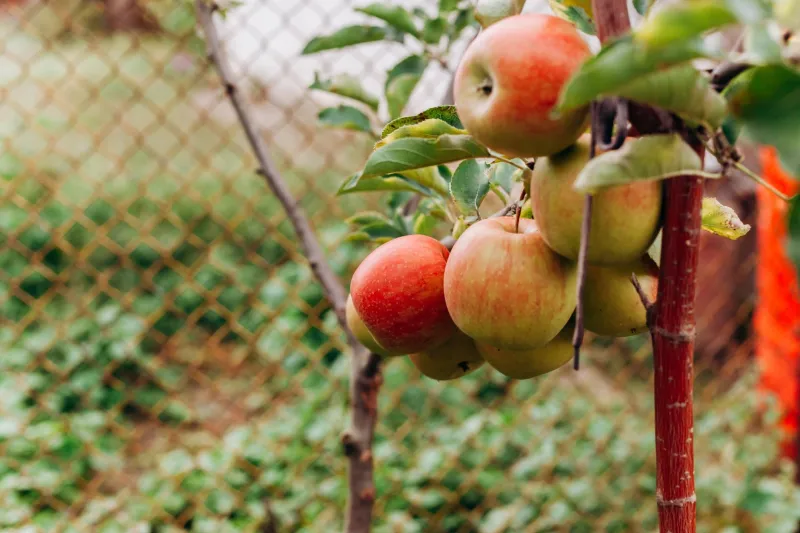
Apples are not plug-and-play in every climate, but a disease-resistant variety like Liberty gives home growers a fair shot without a heavy spray schedule. It’s crisp, flavorful, and useful in the kitchen, and it stores well enough to earn refrigerator space.
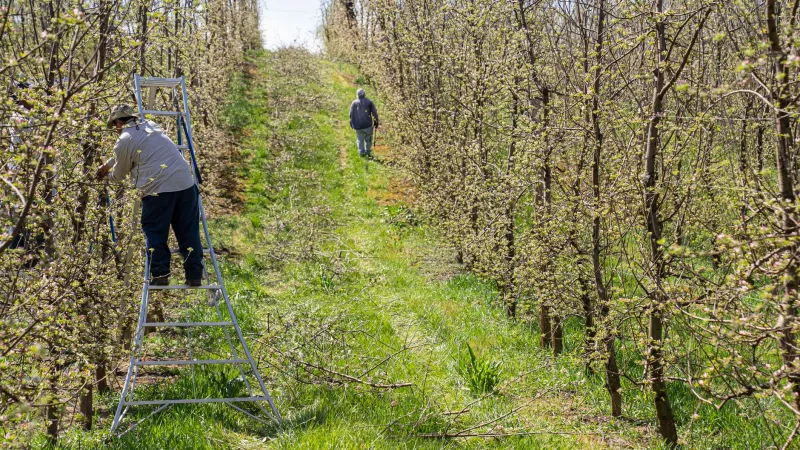
Liberty still needs sun, decent drainage, and pruning. Most apples also benefit from a compatible pollinator, so plant two varieties that bloom at the same time. If you’re in a hot southern zone, choose low-chill apples recommended by your state extension service rather than forcing a northern variety to struggle.
Best Small-Space Performer: Strawberries
Strawberries are the top pick when your growing space is a patio, a raised bed, or a narrow side yard. Day-neutral varieties can produce across a long season in containers, while June-bearing types give a concentrated harvest that’s great for freezing or preserving.
They’re not maintenance-free. Strawberries need renewal, consistent moisture, and protection from birds. But the payoff is fast compared with tree fruit, and the flavor gap between a ripe homegrown berry and a firm grocery-store berry is enormous. Use fresh potting mix in containers, avoid planting them where tomatoes or peppers recently grew, and replace worn-out plants every few years.
Best Warm-Climate Pick: Figs
In zones 8 and warmer, figs are one of the most rewarding backyard fruits. They’re tolerant of heat, productive in small spaces, and delicious fresh or preserved. In colder zones, grow them in containers and move them into a garage or shed for winter protection.
Choose a common fig variety that doesn’t require pollination. Give figs full sun and room to spread, and prune to keep the canopy manageable. Ripe figs don’t ship well, which is exactly why they belong in a home garden. Pick them when they soften and droop slightly, not when they merely look dark.
Best Container Citrus: Meyer Lemon
Meyer lemon is the top citrus pick for growers outside the warmest US zones. It’s more cold-tolerant than many true lemons, it flowers repeatedly, and it adapts well to containers. The fruit is sweeter and less acidic than a standard lemon, which makes it useful in drinks, dressings, and desserts.
Container citrus needs full sun, excellent drainage, and a fertilizer formulated for citrus. Protect it from hard frost and avoid overwatering in winter. If you live in citrus country, check local quarantine rules before moving plants or fruit around; those rules exist to protect commercial groves.
Best Low-Fuss Native Option: American Persimmon
American persimmons deserve more attention. They’re native to much of the eastern US, they support wildlife, and they’re relatively low-maintenance once established. The fruit is intensely sweet when fully ripe, and it brings fiber and vitamin C to the table.
Astringent varieties need to soften completely before eating. That’s not a flaw; it’s a harvest-timing lesson. Asian persimmons are another option in warmer zones, especially for growers who want larger fruit and a more compact tree. In either case, plant in full sun and give the tree space—persimmons can live and produce for decades.
Best “Plant It and Wait” Investment: Raspberries
Raspberries are not a tree, but they belong on a top fruit list because they deliver a lot in a small footprint. Primocane varieties can fruit in the first year on new canes, which makes them appealing for renters and new gardeners. They also freeze beautifully and taste far better than most supermarket raspberries.
Give raspberries a trellis, full sun, and good airflow. Prune according to whether you’re growing summer-bearing or fall-bearing types, and don’t let old canes become a disease nursery. They spread, so plan a bed edge or container system before planting.
How to Turn This Top List into a Real Planting Plan
Start with one or two fruits that match your actual conditions. Check your USDA hardiness zone, but don’t stop there. Look at chill hours, summer heat, soil pH, drainage, and local pest pressure. Visit a nearby orchard or farmers market and ask what grows well without heroic effort.
Then plant for the long game. Prepare the soil before you buy the tree. Mulch well. Water deeply and less often once plants are established. Keep records of bloom dates, harvest dates, and problems. The top fruit for your backyard is the one you’ll still be willing to care for after the novelty wears off—and the one that gives you a harvest worth sharing.