The Five-Year Payback Test: Which Backyard Fruit Trees Earn Their Keep — and Which Just Eat Money
Photo: Arpita Dutta, CC BY-SA 4.0, via Wikimedia Commons
Backyard fruit trees get sold with a simple promise: spend a little now, harvest free fruit later. Sometimes that is exactly what happens. Other times you end up with a $70 ornamental that feeds birds and aphids while you buy Honeycrisps at the store. The difference is rarely luck. It comes down to purchase price, how fast the tree crops, how much water and spray it needs, and whether your climate actually suits it.
This is a five-year payback test, not a guarantee. A tree that breaks even in year four in zone 5 may take eight years in zone 8, and the reverse is true for other species. Use the numbers as a framework, then plug in your own 2026 prices and local conditions.
Why Five Years Is a Fair Finish Line
Most dwarf and semi-dwarf fruit trees start bearing in two to four years. By year five, you should know whether a tree is a producer or a project. Five years also captures the hidden costs that catalogs leave out: soil amendments, irrigation lines, netting, pruning tools, replacement trees, and the weekend hours you spend babying it. Full-size trees are a different game. If you plant a standard apple or cherry, five years may be barely enough time for it to get interested in fruiting.
The Fast Payback Five
These are not the only good backyard trees. They are the ones that most often clear their costs quickly in the right site and climate.
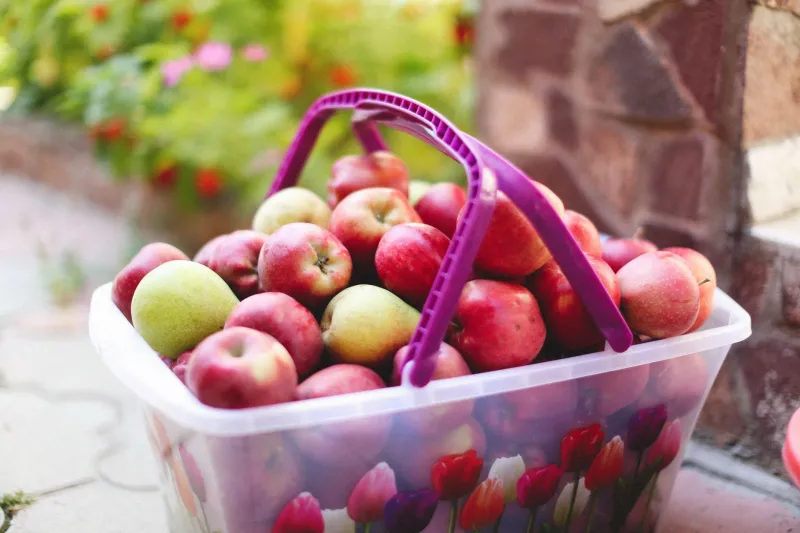
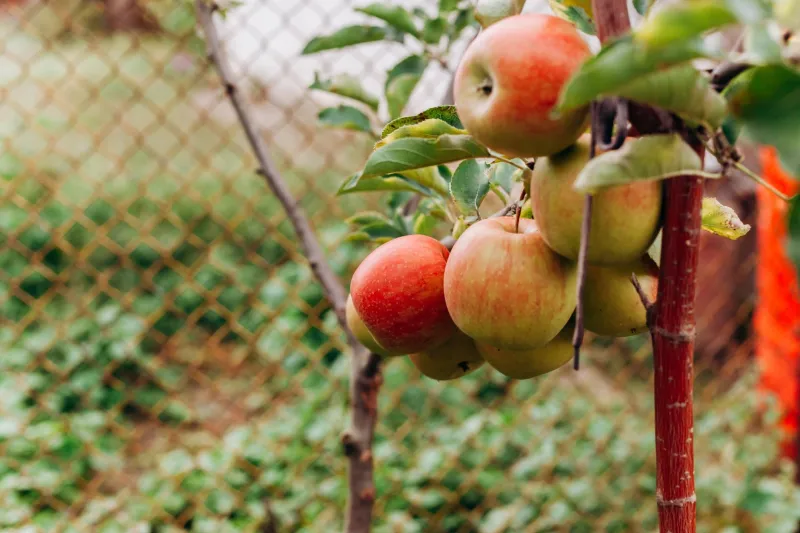
1. Dwarf or semi-dwarf apple on a precocious rootstock. Purchase price runs roughly $35 to $60 for a decent bare-root tree. A well-sited dwarf apple can give 20 to 40 pounds by year four or five. At $2 to $3 per pound for local fruit, that is $40 to $120 in annual value. The catch is pest and disease pressure, so choose scab-resistant cultivars and learn a simple spray or bagging routine.
2. Tart cherry. Montmorency and similar tart cherries are workhorses in many USDA zones. A tree costs $40 to $70 and can produce 15 to 30 pounds by year five. Tart cherries fetch $4 to $6 per pound at farmers markets, and they need less spraying than sweet cherries. Birds are the main tax collector.
3. Asian pear. Asian pears are expensive at retail, often $3 to $5 per pound, and a healthy tree can carry 20 to 40 pounds by year five. Purchase price is $45 to $75. Fire blight is the risk, so check local cultivar recommendations before you buy.
4. Fig, in zones 7 to 10 or in a container. A fig costs $20 to $40 and can fruit the same year in warm climates. Ten to 25 pounds at $6 to $9 per pound is a strong return. In cold climates, treat it as a container plant and count the winter protection as a real cost.
5. Mulberry. A grafted or dwarf mulberry costs $25 to $50, grows fast, and can produce 10 to 20 pounds by year five. Retail mulberries are scarce and often $5 to $8 per pound. The downside is a messy fruit drop and birds that will invite friends.
The Three That Usually Don't
Full-size sweet cherry. Everybody wants one. Full-size sweet cherries take years to bear, need space, crack in wet weather, and attract birds and brown rot. Add spray costs and netting, and the five-year math usually goes negative. Dwarf sweet cherries on good rootstock, with netting and a dry climate, can work. Most backyard plantings do not.
Avocado outside zones 9 to 11. Avocados are slow to bear, frost-sensitive, and thirsty. A tree that sulks through three winters before producing a handful of fruit is not a five-year payback tree. In marginal climates, the water and frost protection costs eat the grocery savings.
Citrus in cold climates. A lemon tree in a sunroom is a joy, not a cost-saving device. Count the grow lights, heat, potting soil, and pest control. In zone 8 or warmer, in-ground citrus can pencil out. In Minnesota, it is a hobby with a long payback.
The Home Orchard ROI Worksheet
Use a spreadsheet or a notebook. List each tree separately.
| Line item | What to record |
|---|---|
| Purchase | Tree, shipping, tax |
| Establishment | Soil amendments, mulch, stakes, irrigation share |
| Annual inputs | Water, fertilizer, sprays, netting, replacement parts |
| Time | Pruning, thinning, harvest hours. Track it even if you don't assign a dollar value |
| Yield | Pounds harvested, not pounds imagined |
| Value | Pounds x local retail or farmers market price |
| Cumulative net | Total value minus total costs |
Payback year is the first year cumulative net turns positive. A simple five-year total is enough for most home growers. If a tree is close to break-even by year five and improving, keep it. If it is still costing more than it returns and you don't love it, replace it.
Reading the Results Without Fooling Yourself
Don't value every homegrown apple at Whole Foods prices. Count waste, bird damage, and fruit you give away. Don't ignore your time if you are trying to compare trees honestly. And don't plant a tree that needs eight sprays in a climate where you will do two. The fastest payback is usually the tree that fits your site, your climate, and your actual maintenance habits. A modest tart cherry that you prune every March beats a fancy cherry that you resent by July.