Your County Extension Agent Knows Your Orchard Better Than the Internet Does
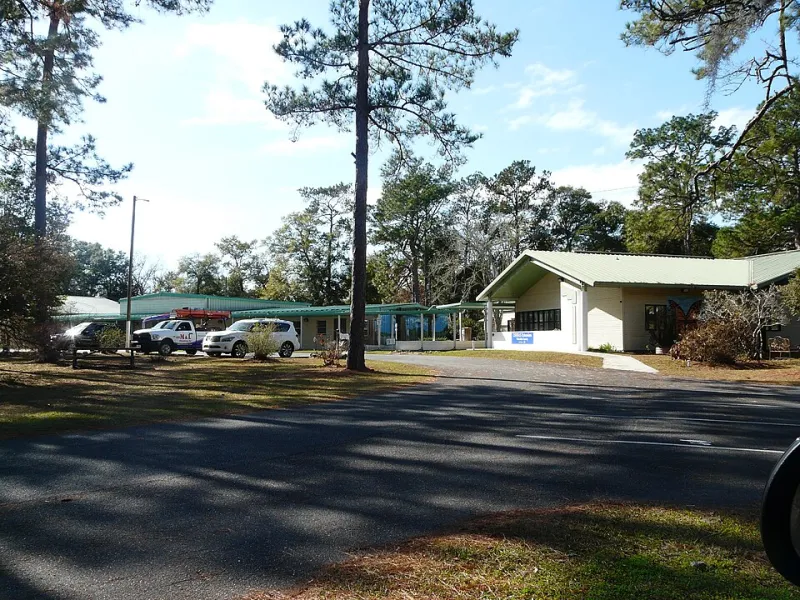
Photo: The Bushranger, CC BY-SA 4.0, via Wikimedia Commons
There is a certain kind of backyard grower who will spend three hours reading a forum thread about apple tree problems written by someone in another state, and never think to call the county office that has been testing local soils for decades. I get it. The internet is fast, free, and always open. But when it comes to fruit growing, local beats generic almost every time. Your county Cooperative Extension office is one of the most underused resources in American agriculture, and it is sitting right there in your county seat.
I am not saying every extension office is perfect. Staffing is thin in places, and some offices are more focused on row crops than backyard orchards. But the system is built for exactly this kind of question. In 2026, with seed and tree prices high and climate patterns getting weirder, local knowledge is worth more than another influencer's pruning video.
What Extension Actually Is
The Cooperative Extension System is a partnership between USDA's National Institute of Food and Agriculture, land-grant universities, and county governments. That mouthful means your state's land-grant university has educators and agents working in local offices. They run soil testing programs, pest monitoring, cultivar trials, Master Gardener programs, and workshops. They are not a free landscape design service, and they are not going to come out and prune your trees for you. But they can tell you what has performed in your county, what pest is chewing your leaves, and what your soil test actually means.
The Five Services Worth Asking For
1. Soil testing and interpretation. Many offices sell test kits or point you to a university lab. Ask for a test that covers pH, organic matter, phosphorus, potassium, calcium, magnesium, and cation exchange capacity. A basic test often costs $15 to $40. The real value is the interpretation: what does this mean for fruit trees, not just for a lawn.
2. Local cultivar trials. Catalogs sell fantasy. Extension data sells reality. Ask whether the office has trial results for apples, pears, peaches, or berries in your region. A cultivar that wins in Pennsylvania may fail in Alabama. Local trial data tells you which ones actually fruit.
3. Pest and disease alerts. Many extension offices publish newsletters, run trap counts, and track degree-day models for insects. Ask to join the email list. Report unusual symptoms. Early warning is worth more than a shelf of sprays.
4. Diagnostics. If your leaves are yellowing, your fruit is cracking, or your bark is sunken, bring a sample. Call first and ask how to submit it. Photos help, but a fresh sample with good context is better. This is often free or low-cost, and it can save you from guessing wrong for a whole season.
5. Climate and site advice. Ask about local frost dates, chilling hours, heat units, and water availability. These are the numbers that decide whether a tree is worth planting. A nursery can sell you a zone 6 tree, but your county agent knows where the cold air pools on your side of town.
How to Ask So You Get a Useful Answer
Be specific. Say where you are, what you planted, the cultivar and rootstock if you know it, the tree's age, your soil type, how you water, and what you have sprayed. Include a timeline of symptoms and a few clear photos. Ask one focused question: What is this, or what should I test first? Do not send twelve blurry pictures with no context and ask why the tree looks bad.
Respect the seasonal crush. Spring and early summer are busy. Fall and winter are better times for longer conversations about planning and cultivar selection. If you leave a message, follow up. Extension staff remember the people who are polite and persistent.
Turning an Agent Into a Long-Term Ally
Attend a pruning workshop. Join the Master Gardener program if you have time. Volunteer at a trial plot. Report back on what worked. Extension is a two-way street: the more local data growers share, the better the advice gets. Ask your agent what questions they wish more backyard growers would ask. You will probably hear soil testing, cultivar selection, and pest identification.
Where Extension Stops
Extension is not an emergency room, and it is not a custom orchard consultant for every homeowner. Staff have limits. They may not give you a spray schedule tailored to your exact tree. They may refer you to a commercial advisor or a diagnostic lab. That is fine. The point is to start with the best local information instead of a generic answer from a stranger online.
A county extension agent will not replace your own observation, your soil test, or your willingness to learn. But they can shorten the learning curve by years. Before you buy another tree or spray another product, make the call. Your orchard will be better for it.